There’s good news, bad news at some of your favorite stores. Many of them have lowered prices and are planning to lower even more of them. But before you know it, they might just end up raising them again.
That’s the word from some of the country’s largest retailers, as they try to navigate inflation and rising fuel costs that may trickle down to shoppers and cancel out the price cuts they hope will give us all a break.
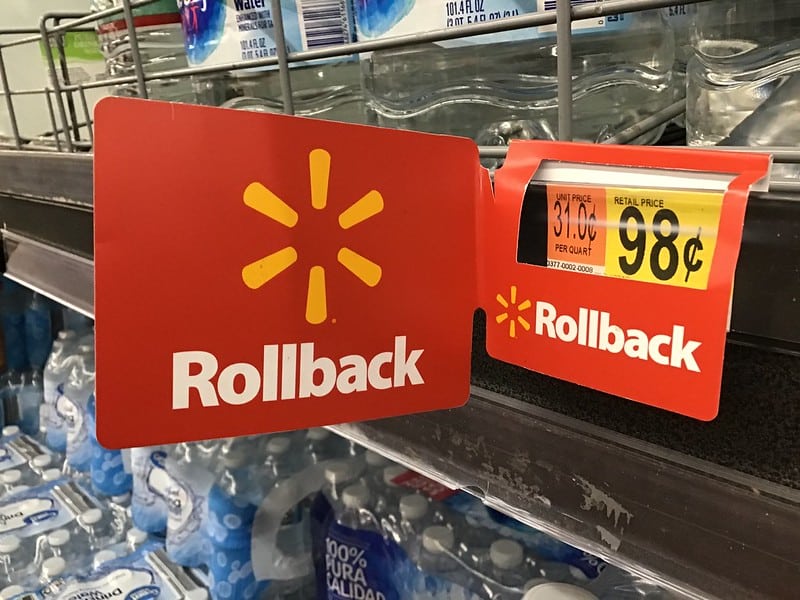
First, to the good news. Target already announced a couple of months ago that it was lowering prices by 5% to 20% on more than 3,000 items in the grocery, clothing and home goods departments. Walmart says it has rolled back prices on about 7,200 items so far, 20% more than this time last year, and it says it may use tariff refunds to roll back even more. And Kroger is looking to cut costs on the back end so it can direct those savings toward lowering prices.
Shoppers are still spending, but many of them are trading down, choosing cheaper brands or stores as their paychecks start falling behind the pace of price increases. So these big retailers hope to invest in lower prices as long as they can, to keep their customers coming in.
“We’re committed to making it easier than ever for guests to have the fresh style and incredible value they love, with lower prices on the items we know they want,” Target said in announcing its latest round of price cuts. And so far, the move appears to be paying off, as Target’s focus on affordability, together with redesigned stores and refreshed product assortment, just helped the retailer achieve its best quarterly sales figures in years.
Kroger is looking to take a page from that playbook. It’s working on lowering prices to get shoppers who have strayed, to come back. “The basket has to come down,” CEO Greg Foran told Bloomberg News, referring to the basket of goods that a customer buys during a shopping trip. “And not everyone’s basket is the same.” So any price investment “needs to be across thousands of products, and it has to be something that passes the commonsense piece with customers.”
Foran said he’s looking at moves like using technology more effectively, and importing more merchandise directly, to save money that can be put toward cutting prices. He did not put a number on exactly how many items might be targeted for savings, or how low prices might go.
Walmart, too, is looking to be more responsive to cost-conscious shoppers. While higher-income customers are still spending, “the lower-income consumer is more budget conscious and perhaps navigating financial distress,” CEO John Furner told investors last week. So the retailer is focused on “finding ways to help families stretch their dollars,” with the help of tariff refunds that Walmart will receive after the Supreme Court struck down the newly-imposed customs fees earlier this year. That will mean even more rollbacks across the store.
For now, that is. Walmart also had a warning. If fuel prices remain elevated for much longer, Walmart may not be able to keep its costs down and prices might have to go up. “We’d expect somewhat higher retail price inflation,” Chief Financial Officer John David Rainey said, as higher fuel prices will have “real impacts to cost of goods sold for us and our suppliers.”
And if that happens, so much for rollbacks.
It’s a delicate balance – raise prices too much, and shoppers may flee. Keep them too low, and profits will suffer. The challenge comes as all three retailers – Target, Kroger and Walmart – have new bosses at the helm. Furner, Foran and Target CEO Michael Fiddelke all started in early February. And all are now competing to make their stores everyone’s first choice for everyday essentials.
“This is a competitive market,” Furner acknowledged. “This is an industry, particularly in food, where everyone is looking for value and has been for a really long time.” He’s confident, though, that Walmart has what it takes to win. “We want customers to be able to trust that they can have the very best value on a basket of goods each and every day… in a period like this, we’ll continue to focus on value.”
He’s not the only one who plans to do so. The only question is, how much longer they all can.
Image source: JeepersMedia