So far, things are looking up for various online coupon code providers whose business practices have landed them in court. An Ibotta accuser dropped her case. Capital One made the savvy move of agreeing to a financial settlement, with terms so narrow that few if any accusers are likely to collect.
And now, a federal judge has thrown out most of the accusations that litigants have leveled against RetailMeNot.
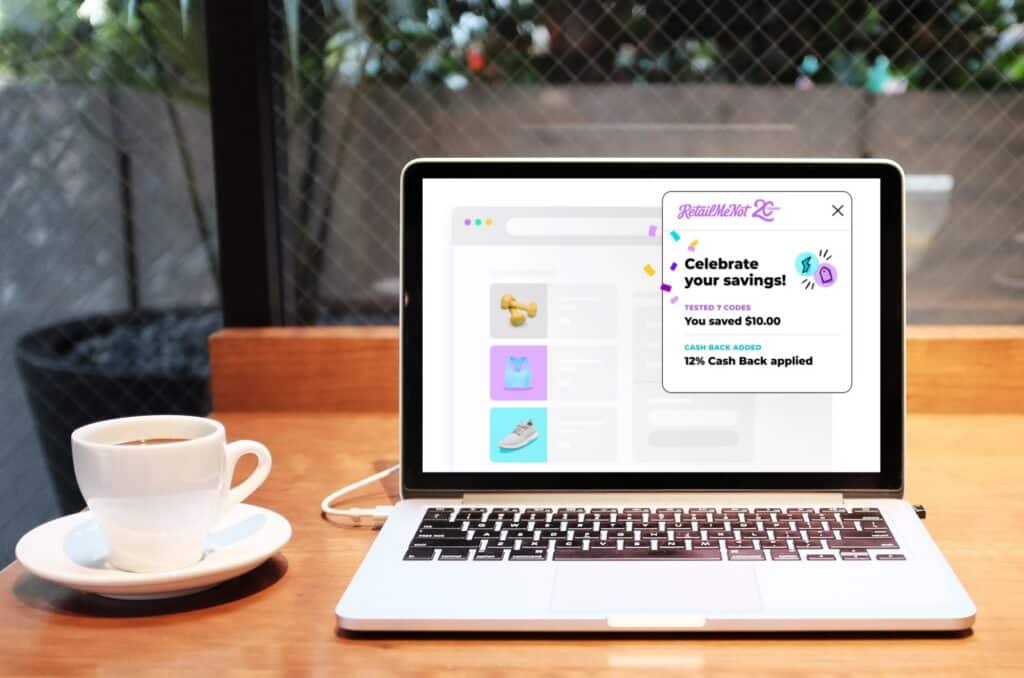
Half a dozen online content creators sued the coupon code site early last year, amid a flurry of similar litigation against other defendants. They accused RetailMeNot of “stealing their rightfully earned affiliate marketing commissions,” which they earn by recommending products to their followers. If a shopper clicks on RetailMeNot’s browser extension to look for a coupon, they said RetailMeNot overrides their referral links, and claims the sales commission for itself.
In a new ruling on RetailMeNot’s motion to dismiss the case altogether, the judge very nearly did. The plaintiffs made nine specific claims against the coupon company. The judge dismissed eight of them.
The case is not a simple dispute between competitors for sales commissions, the judge reasoned. Nor is it a dispute over physical property, or quantifiable losses. Instead, it involves various third parties including consumers and merchants, as well as intangible items like online coupons and tracking codes, and vague allegations of lost earnings that can’t be accurately calculated.
And that caused many of the plaintiffs’ claims to wilt under legal scrutiny. Their allegation of unjust enrichment, for example, failed because RetailMeNot was enriched by the merchants who sponsored the coupons and not directly by the plaintiffs, the judge explained. Their claim of conversion failed because RetailMeNot overrode the plaintiffs’ affiliate codes, it didn’t take them and prevent the plaintiffs from using them in the future. And their claims of computer fraud failed because RetailMeNot users have to agree to its terms of service and actively click on the browser extension to use it, so they were not fraudulently induced to do anything.
In fact, the judge pointed out, consumers most likely don’t know and don’t care who is entitled to a sales commission from a purchase they make online. “The complaint explicitly states that the consumers are ‘unaware of’ this entire overwriting process,” the judge explained. So the lawsuit failed to show any violations of consumer protection laws, since it “does not allege that this conduct resulted in any detriment or injury to consumers.”
The only allegation the judge let stand was intentional interference with contractual relations. “The complaint alleges that Defendants ‘specifically designed’ the browser extension to recognize and replace Plaintiffs’ affiliate tracking codes,” the judge stated, “because Defendants knew that this process would entitle Defendants to contractually promised commissions on converted sales in place of Plaintiffs.” In other words, the influencers have contractual relationships with merchants, and they claim RetailMeNot knowingly interferes in those relationships by getting the merchants to pay sales commissions to RetailMeNot instead.
RetailMeNot argued that the plaintiffs can’t prove that it is solely responsible for any commissions they claim to have lost. Maybe a shopper who clicked on an influencer’s link would not have made a purchase at all, had it not been for a coupon that RetailMeNot found for them. Or maybe they clicked on other coupon browser extensions before making a purchase with a coupon that RetailMeNot found, so the plaintiffs can’t show that RetailMeNot directly overrode their tracking code.
Those are all arguments that RetailMeNot can make at trial, the judge determined. And their accusers will have to expound on their arguments as well. “At a later stage, Plaintiffs will be required to prove the actual breach of these contracts,” the ruling explained. But at this stage, “Plaintiffs have sufficiently pleaded intentional interference with contractual relations, and Defendants’ motion to dismiss this claim is denied.”
The lawsuit against RetailMeNot was filed shortly after PayPal’s Honey first came under scrutiny for allegedly using its coupon finder to steal online influencers’ sales commissions. Those allegations were soon followed by lawsuits against PayPal, and against other coupon providers accused of doing the same thing, including RetailMeNot, Microsoft Shopping, Rakuten and Klarna. All of those cases are still making their way through the courts.
As for the RetailMeNot accusers, they’re down but not out, with just one legal leg left to stand on. They may have lost eight out of nine arguments so far – but they’re hoping the one that remains will be enough for a win.
Image source: RetailMeNot/Mockuper