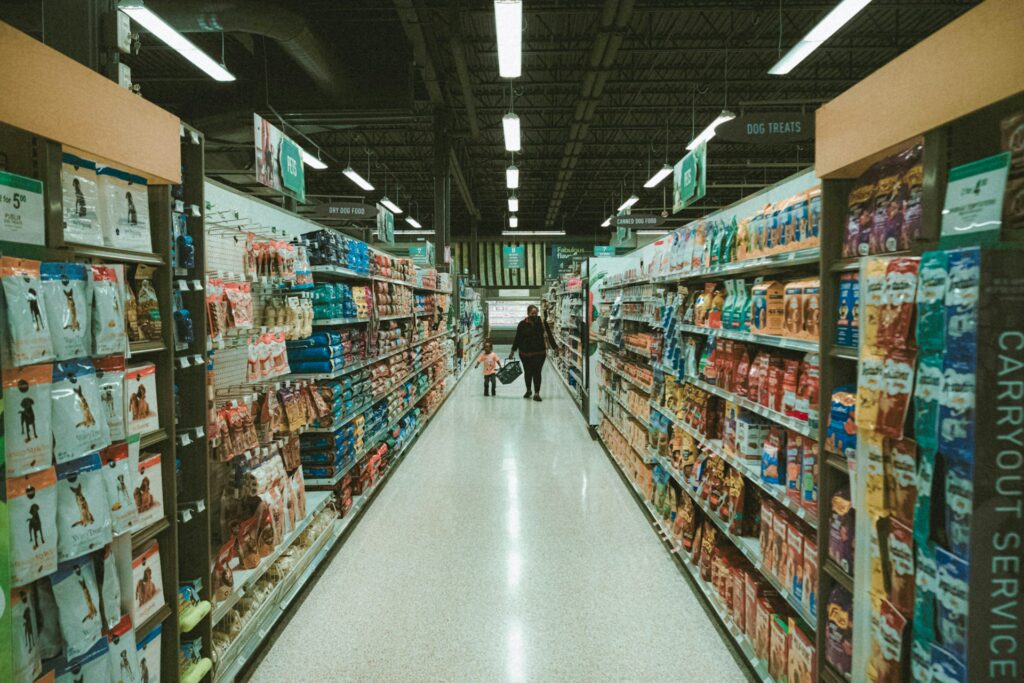
No wonder some people consider grocery shopping to be a chore – navigating a cavernous store, going up and down every aisle, pushing an overflowing cart to the checkout, handing over a painful amount of cash for your purchases. Rinse and repeat, week after week.
Today’s shoppers aren’t necessarily following that pattern anymore, though. They’re shopping at more stores, buying fewer items, making shorter but more frequent trips, all in the name of convenience and cost-consciousness.
That’s according to data compiled by Placer.ai. Following up on an earlier report about the apparent demise of the stock-up shopping trip, the location analytics company dug deeper to find out why it seems like we’re constantly grabbing groceries these days.
“Elevated food costs are leading to more frequent, budget-conscious trips,” Placer.ai found. Even as the duration of shopping trips declines, “fill-in shopping, deal-seeking, and omnichannel behaviors are pushing visit frequency higher.”
While traditional grocery stores continue to account for about half of all visits, club stores are constantly opening new locations, while discount and dollar stores expand their food selection, “giving consumers a wider choice of where to shop for groceries.”
And instead of choosing a favorite, they’re choosing many of them. “Shoppers are showing up more often and increasingly splitting their trips across retailers based on value, availability, and mission,” Placer.ai noted.
One particularly stark change is how short our grocery shopping trips have become. Over the past few years, Placer.ai found that store visits under 30 minutes have grown rapidly, with visits under 15 minutes seeing even bigger boosts. Today, grocery shopping trips lasting 15 minutes or less now make up more than 40% of grocery visits nationwide. Only 10% of grocery trips last 45 minutes or more.
Placer.ai attributes this to a number of factors. Some shoppers are placing larger stock-up orders online, making quick in-store trips for additional needs as they pop up. Others are doing more of their shopping at smaller stores with a limited selection, contributing to shorter trips but more frequent visits.
And still others are shopping around, visiting multiple stores to cherry-pick items from the weekly ad, buying only what’s on sale to ensure they pay only the lowest prices. These “value-conscious shoppers” are often “making targeted trips to different stores in search of the strongest deals,” Placer.ai noted, “a pattern that is contributing to the rise in shorter, more frequent grocery visits.”
Citing its own data and reaching similar conclusions, NielsenIQ urged grocery retailers to adapt to this consumer behavior. “Shoppers judge value holistically,” it pointed out, “making total trip economics more important than any single price point.” In other words, prices need to be fair across the board. Advertising deep discounts on a select set of items only makes it more likely that a store will sell those specific items, and the value-seeking shopper will go somewhere else to get the rest of the things on their list.
NIQ also advises traditional grocers against trying to chase club store shoppers with supersized products of their own. “Design packs for recurrence, not stockpiling,” it suggests. With shoppers preferring shorter, less expensive trips, “frequency-aligned pack architecture” meets their needs more than bulk-sized products that may cost less per unit, but cost more at the register.
“Grocers who invest in providing efficient in-store experiences are particularly well-positioned to benefit from these trends,” Placer.ai concludes. While larger grocery chains aim to capture all of a shoppers’ business by providing everything they need, smaller stores can compete “by specializing, owning specific missions, or offering compelling value that earns them a place in shoppers’ routines.”
For some, a big weekly grocery shopping trip is still seen as an unpleasant but necessary chore. For a growing number of grocery shoppers, though – the more they shop, the better.
Image source: Frankie Cordoba on Unsplash