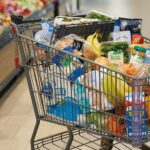

Every report that comes out about store brand grocery products generally finds the same thing. Whether due to rising grocery prices or improving quality, shoppers are buying a lot more of them.
But they might buy even more – if stores would listen to their suggestions.
FMI – The Food Industry Association is out with its latest annual “Power of Private Brands” report, in which it gauges consumer sentiment about their stores’ private label brands.
Once again, a majority of shoppers surveyed said they are buying more private brands – 56%, compared to just 35% who say they’re buying more national brands instead. Most cite store brands’ value and affordability. But low everyday prices aren’t enough to get them to buy more.
“Survey feedback shows that shoppers are highly educated about food retailer promotional tools and would like even more price and value opportunities brought to private brands,” FMI noted. Shoppers “outlined a range of strategies they’d like to see more of, including ‘buy-one-get-one,’ ‘end cap specials,’ ‘coupons’ and ‘bulk items for sale’.”
When asked what or who influences their choice of grocery brands, 35% said family or friends, but 32% said coupons and promotions. That suggests that shoppers will gravitate to brands that offer deals, and spurn store brands if they can leverage coupons or promotions to get better prices on national brands.
And that’s not all that shoppers say stores can do better. When it comes to competing with national brands, shoppers surveyed suggest retailers can invest in more appealing packaging for their private label products, better ingredients, and more variety.
“Grocery retailers have a lot of opportunity to impact consumer choices if handled in strategic ways,” FMI advised.
Of course, price isn’t everything. There are some name-brand products that shoppers say they plan to stick with, no matter what. Pet food, coffee and tea, and health and beauty care products are the categories in which shoppers are least likely to buy store brands. When asked what other store-brand products they will not buy, shoppers cited categories like cereal, ketchup, soda, toilet paper, meat and cheese.
“Off-brand sodas taste different,” one survey respondent said. “I do not like store brand chips,” another commented. A third shopper said “name brand condiments are always better.”
While other shoppers are more open-minded, with one saying, “I’m open to at least trying a store brand of just about anything,” they have their limits. A deal-breaker would be “products where I have tried store brands and they are inferior,” another shopper said.
More than half of all shoppers said store brands are very or extremely important in where they choose to shop. And nearly half said they’re very likely to continue purchasing private brands even if grocery prices fall.
“This indicates that shopper loyalty to these brands is strong and no longer based only on price,” FMI concluded. But “they want stores to further encourage that loyalty through additional promotional incentives.” It turns out shopper loyalty has limits – especially when shoppers are loyal to coupons and deals most of all.
Image source: Jeepers Media