Paper grocery price tags have earned a reprieve, as lawmakers in one state have temporarily banned digital price displays, as part of a law banning “surveillance pricing” that they say digital tags might enable.
New Jersey has become the third state to crack down on the use of personal data to set grocery prices. But it’s the first to crack down on electronic shelf labels in the process.
Governor Mikie Sherrill has signed into law the Fair Price Protection Act, which bans any “pricing strategy that determines or varies the sale price of groceries and other foodstuffs based, in whole or in part, on personal data,” such as “online activity, location, purchasing history, or other collected data,” to set prices “based on what an algorithm predicts a shopper is willing or able to pay.”
Critics had complained the measure could impact grocery loyalty programs, digital coupons and personalized discounts that are based on your shopping history. But the law exempts loyalty programs that a shopper voluntarily joins, and knowingly provides personal information in order to do so. So the law essentially only forbids grocers from hiking prices for certain shoppers based on personal information they have not agreed to share – like their online search history or their ability to pay.
Grocers insist this isn’t happening anyway. So the law may simply be a solution in search of a problem, just like similar new laws in Maryland and Connecticut, though some supporters say the idea is to outlaw it before it does start happening.
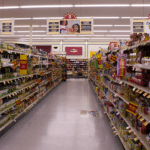
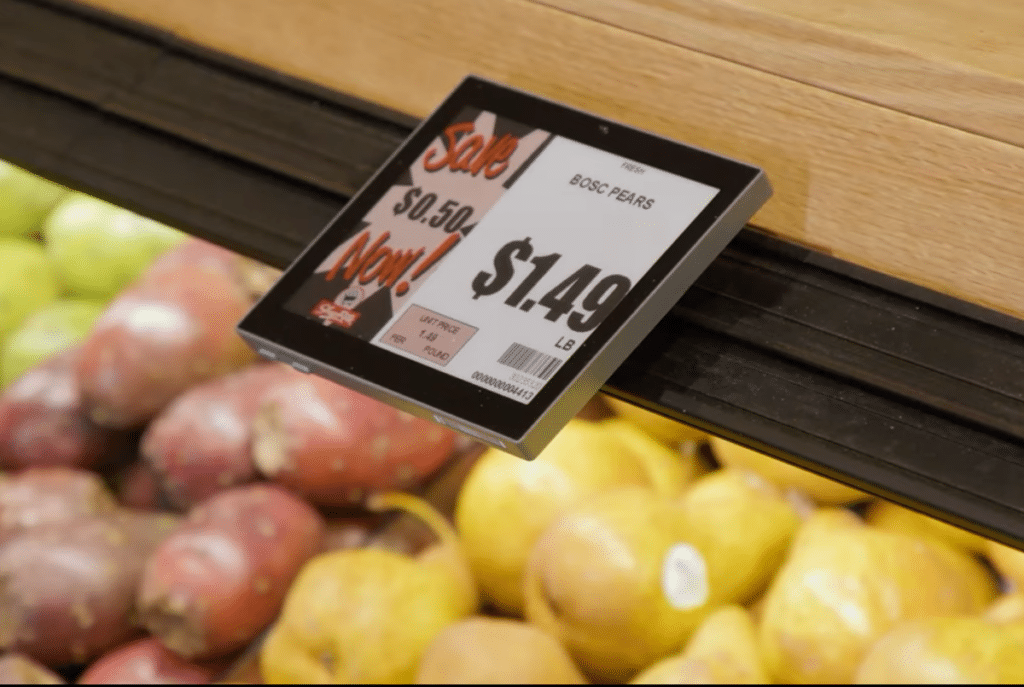
What stands out in this latest law is the one-year moratorium on any new electronic shelf labels. Many grocery chains across the country have been replacing paper price tags on the shelf with digital tags that can be updated, as needed, more efficiently. Some of New Jersey’s largest grocery retailers, including ShopRite and Walmart, already use them.
But no one else will be able to for at least a year, under the new law. The measure directs state authorities to conduct a study on the use of digital tags, and whether they can be – or are being – used to display different prices to different shoppers. The results of that study, and how lawmakers respond to it, could determine whether grocers are able to resume installing digital tags after the year is up, or whether the state decides to outlaw them, too.
Some lawmakers in other states – and in Congress – have proposed outright bans on electronic shelf labels, fearing that retailers have more than just efficiency in mind when installing them. “This technology enables corporations to exploit shoppers’ personal data to set individualized prices that can change in the blink of an eye,” the United Food and Commercial Workers warned.
“Contrary to some claims, grocers do not use ESLs (electronic shelf labels) for surge pricing or surveillance-based pricing,” the trade group FMI — The Food Industry Association countered. “In grocery retail, ESLs are used to maintain pricing accuracy, reflect promotions quickly and provide better information to customers.”
For supporters of New Jersey’s measure, though, they figure it’s better to be safe than sorry. “New Jersey families are already feeling the pressure of higher costs. The last thing they need is companies secretly using their personal data to charge them more than someone else for the exact same product,” Governor Sherrill said. “If businesses want to compete, they should do so by offering better prices, not by finding new ways to squeeze shoppers. This law puts New Jersey shoppers first by protecting their privacy and ensuring fairness in pricing.”
The law doesn’t take effect for a full year. So grocers still have plenty of time to install more digital price tags, use them to spy on their customers, and price gouge them based on their most private, personal information. Grocers say none of them are doing this now, and none will be doing it when it’s made illegal next year. But supporters of the country’s most far-reaching surveillance pricing law – so far – say it can’t hurt, just in case.
Image source: SOLUM