
Who doesn’t like low prices? Turns out many people don’t, if they’re unfair or illegal.
Walmart is again being targeted for allegedly abusing its size and market dominance to undercut competitors, lowering prices only to ultimately cost consumers more.
The National Grocers Association, which represents independent grocery retailers, is again calling on federal regulators to scrutinize Walmart’s pricing practices. The trade group has sent a letter to the Federal Trade Commission and the Department of Justice, urging them to “address market manipulation by dominant national grocery retail power buyers, especially Walmart.”
It’s not the first time the NGA has urged an investigation. Five years ago, it called on Congress to “investigate the unchecked power of big box stores and e-commerce giants.” It accused them of using their scale and influence to get preferential treatment from suppliers, who then charge higher prices to other grocery customers to make up for it.
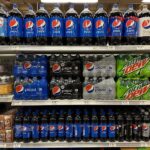
It seemed their call was answered, when the FTC filed a lawsuit against PepsiCo last year for allegedly violating antitrust laws by providing Walmart “with a slew of promotional payments, allowances, and services… while failing to make similar benefits available to competitors.”
But that lawsuit was dropped just a few months later, as a new presidential administration with new priorities took charge.
Late last year, a version of the dismissed lawsuit with far fewer redactions and far more detail was released, which gave critics like the NGA new ammunition in their argument against big-box retailers’ pricing practices.
So we’ve come full circle, with the NGA once again sounding the alarm and demanding action.
Under the “scheme” described in court documents, the NGA’s new letter reads, “Pepsi monitored competitors’ pricing and, when rivals moved too close to Walmart’s price, responded not by lowering Walmart’s price but by
reducing promotions and increasing costs for non-Walmart retailers.” In one example the NGA cited, when Food Lion’s pricing of Pepsi products “threatened Walmart’s advantage, Pepsi allegedly implemented a multi-year plan to raise Food Lion’s wholesale costs, directly increasing retail prices paid by consumers.”
“These findings directly challenge the unsubstantiated assumption that buyer power automatically benefits consumers,” NGA Chief Government Relations Officer and Counsel Chris Jones said in a statement. “When dominant retailers coerce suppliers into subsidizing their advantage, the costs do not disappear. They are pushed onto family-owned supermarkets and, ultimately, onto consumers.”
PepsiCo strongly denied the claims in the FTC lawsuit. “We do not favor certain customers by offering discounts or promotional support to some customers and not others,” the company insisted after the lawsuit was filed. Shortly after the unredacted dismissed lawsuit was released, though, several consumers filed proposed class-action lawsuits against both PepsiCo and Walmart, using the FTC’s own arguments to claim that they, as consumers, were forced to pay higher prices for Pepsi products at other retailers because of the deals Pepsi allegedly made with Walmart.
So several NGA warnings, and several lawsuits, later, Walmart’s pricing practices have so far escaped serious scrutiny. The retailer, and at least one of its suppliers, may insist they’re doing nothing wrong. But federal regulators – and federal courts – may ultimately get the final say.
Image source: Walmart