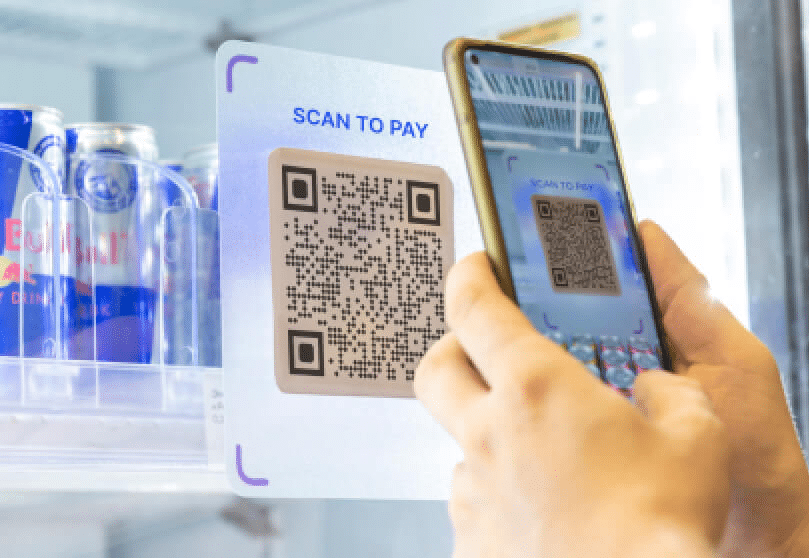
QR codes have been around for more than 30 years, but they may have been a little ahead of their time. When they first started showing up in stores, restaurants, ads and magazines, most people either didn’t know what they were for, or didn’t see any value in scanning them.
Fast forward to today, and value is exactly what many people are looking for when scanning a QR code.
The QR code platform Uniqode is looking ahead to this year’s holiday shopping season, in its new 2025 State of Black Friday and Cyber Monday Marketing Report. It found that the vast majority of shoppers are likely to scan a QR code when holiday shopping this year – and most of them expect savings when they do so.
“Most people are open to QR Codes,” Uniqode found. “But they want them to lead to something valuable: a deal, a personalized offer, or a quick checkout. When that doesn’t happen, they feel disappointed, or they don’t scan at all.”
So brands and retailers need to do more than just slap a QR code onto a sign or a label – they need to make it worth the effort for potential customers to scan.
Uniqode noted that 60% of marketers used QR codes in holiday shopping campaigns last year. And 74% of shoppers said they’re likely to scan a QR code during Black Friday and Cyber Monday this year. But it found there are “gaps between how consumers expect to interact with QR codes and how marketers are leveraging the technology.”
QR codes can provide product information, ingredient lists, recipes, nutritional facts and more. But 56% of shoppers who scan a code, do so expecting coupons or discounts “that deliver immediate, tangible value.” That’s by far the number-one motivator. Only 14% scan a QR code just out of curiosity to see what’s behind the scan, 13% will do so for a faster checkout, and 12% scan looking for product information.
By offering QR codes without a clear explanation about they’re for – or without a financial incentive for scanning – many marketers are “failing to deliver on what users expect post-scan,” Uniqode found. And this disconnect between what’s offered and what shoppers expect “is where many brands lose momentum and future scans.”
There’s also a large “neutral middle,” made up of more than a third of shoppers, who say they aren’t entirely sold on QR codes. Some don’t see the value in scanning, some don’t understand how to, and some have had bad experiences. 35% of shoppers say they’ve tried scanning QR codes that simply don’t work. 27% have been turned off by slow load times, 26% have experienced broken links, and 22% have scanned only to find expired offers.
So Uniqode says there’s an opportunity here, “to show these shoppers better experiences, smoother journeys, and post-scan value.”
One thing relatively consistent among shoppers is their view of QR codes as a unique combination of high-tech and low-tech. Most are not particularly interested in online QR codes, codes on screens, or virtual codes on a dressing room smart mirror, for example. The majority are most comfortable scanning QR codes printed on in-store signs or paper circulars. So Uniqode advises marketers to embrace this preference for print, by adding QR codes to more “physical assets like receipts, flyers, and product tags to meet shoppers where they are.”
But they still need to make a scan worth the effort. “Customers are ready and willing to scan QR codes during sales, but many marketers simply place codes on signage without using them to enhance the broader user experience,” Uniqode CEO Sharat Potharaju said in a statement. “Brands and retailers can show consumers they’re offering value-based scans by avoiding generic calls to action and matching their QR codes to clearly defined outcomes. This will better engage customers and increase post-scan satisfaction.”
When QR codes were first introduced, they were a novelty. Later, they were something of an abstraction. Today, they’re commonplace. But “customers scan only when it feels worth it,” Uniqode concluded. Recipes and ingredient lists are nice – but without coupons and deals, QR codes may go from a technology that was ahead of its time, to a technology whose time has passed.
Image source: Uniqode